

As a supplier of hook terminals, I often encounter inquiries from customers about the corrosion resistance of these products. Corrosion can significantly impact the performance and lifespan of electrical components, so it's a crucial concern. In this blog, I'll delve into the factors that affect the corrosion resistance of hook terminals and provide insights to help you make informed decisions.
Understanding Corrosion in Electrical Terminals
Corrosion is a natural process that occurs when metals react with their environment. In the context of hook terminals, this reaction can lead to the formation of oxides, hydroxides, or other compounds on the surface of the terminal. These corrosion products can increase electrical resistance, disrupt the flow of current, and ultimately cause failure of the electrical connection.
There are several types of corrosion that can affect hook terminals:
- Galvanic corrosion: This occurs when two different metals are in contact in the presence of an electrolyte (such as moisture). The more active metal (anode) corrodes while the less active metal (cathode) is protected. For example, if a copper hook terminal is in contact with a steel component in a humid environment, the copper may corrode due to the galvanic couple.
- Pitting corrosion: Pitting is a localized form of corrosion that results in the formation of small holes or pits on the surface of the terminal. It can be caused by the presence of chloride ions, which can break down the protective oxide layer on the metal surface and initiate corrosion at specific points.
- General corrosion: General corrosion occurs uniformly across the surface of the terminal and is typically caused by exposure to corrosive substances such as acids, alkalis, or salts. This type of corrosion can gradually thin the terminal material and weaken its mechanical properties.
Factors Affecting Corrosion Resistance
The corrosion resistance of hook terminals depends on several factors, including the material composition, surface finish, environmental conditions, and proper installation.
Material Composition
The choice of material is one of the most important factors in determining the corrosion resistance of hook terminals. Common materials used for hook terminals include copper, brass, and stainless steel, each with its own corrosion resistance properties:
- Copper: Copper is a highly conductive metal that is widely used in electrical applications. It has good corrosion resistance in most environments, but it can be susceptible to corrosion in the presence of sulfur compounds or ammonia. Copper terminals are often coated with a thin layer of tin or nickel to improve their corrosion resistance.
- Brass: Brass is an alloy of copper and zinc, which offers a good combination of conductivity and corrosion resistance. The addition of zinc enhances the corrosion resistance of brass compared to pure copper, especially in marine or industrial environments. However, brass can be prone to dezincification, a form of corrosion in which the zinc is selectively removed from the alloy, leaving behind a porous copper-rich layer.
- Stainless steel: Stainless steel is a corrosion-resistant alloy that contains chromium, nickel, and other elements. It offers excellent corrosion resistance in a wide range of environments, including harsh chemical and marine conditions. Stainless steel hook terminals are often used in applications where high corrosion resistance is required, such as outdoor or industrial electrical systems.
Surface Finish
The surface finish of hook terminals can also have a significant impact on their corrosion resistance. A smooth, clean surface is less likely to accumulate dirt, moisture, or corrosive substances, which can reduce the risk of corrosion. Common surface finishes for hook terminals include:
- Tin plating: Tin plating is a popular surface finish for copper and brass terminals because it provides a protective barrier against corrosion and improves solderability. Tin is a relatively inert metal that resists oxidation and corrosion in most environments.
- Nickel plating: Nickel plating offers excellent corrosion resistance and is often used in applications where a high level of protection is required. Nickel-plated terminals are more resistant to pitting and general corrosion than tin-plated terminals, especially in harsh chemical or marine environments.
- Passivation: Passivation is a chemical treatment that removes free iron from the surface of stainless steel terminals and forms a thin, protective oxide layer. This layer helps to prevent corrosion and improve the overall durability of the terminals.
Environmental Conditions
The environmental conditions in which hook terminals are used play a crucial role in determining their corrosion resistance. Factors such as temperature, humidity, pollution, and the presence of corrosive substances can all affect the rate of corrosion. For example:
- Humidity: High humidity levels can increase the likelihood of corrosion by providing a moist environment that promotes the formation of electrolytes. In areas with high humidity, it's important to choose hook terminals with good corrosion resistance and to ensure proper ventilation to reduce moisture buildup.
- Pollution: Industrial or urban environments may contain pollutants such as sulfur dioxide, nitrogen oxides, or particulate matter, which can accelerate corrosion. In these environments, it's advisable to use hook terminals with a high level of corrosion resistance and to protect them from direct exposure to pollutants.
- Chemical exposure: Hook terminals may be exposed to a variety of chemicals in industrial or laboratory settings, such as acids, alkalis, solvents, or salts. These chemicals can cause corrosion or damage to the terminals, so it's important to select materials and surface finishes that are resistant to the specific chemicals present.
Proper Installation
Proper installation of hook terminals is essential to ensure their long-term performance and corrosion resistance. Here are some key installation tips:
- Clean the surfaces: Before installing hook terminals, make sure the surfaces are clean and free of dirt, oil, or oxidation. This will ensure a good electrical connection and reduce the risk of corrosion.
- Use appropriate torque: Over-tightening or under-tightening the terminals can cause damage to the terminal or the mating component, which can lead to corrosion. Follow the manufacturer's recommended torque specifications to ensure a proper and secure connection.
- Protect from moisture: In outdoor or wet environments, use appropriate sealing materials or enclosures to protect the terminals from moisture. This can help prevent the formation of electrolytes and reduce the risk of corrosion.
Our Hook Terminal Products and Corrosion Resistance
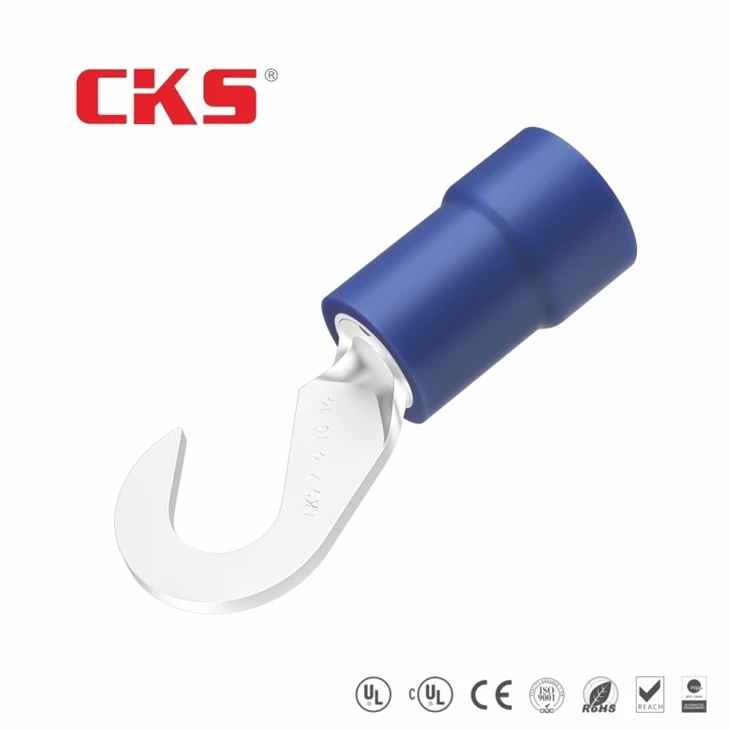
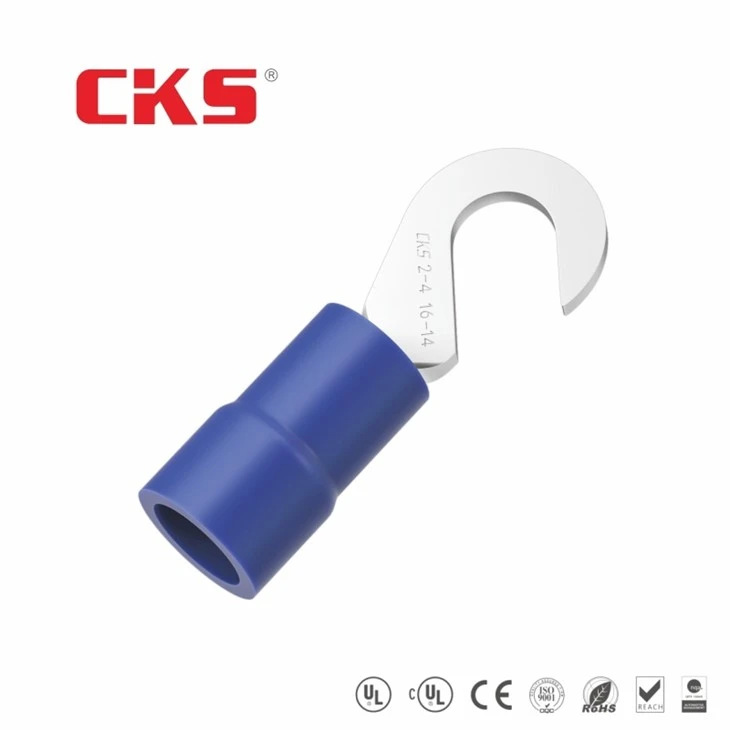
At our company, we offer a wide range of hook terminals designed to meet the diverse needs of our customers. Our products include Non Insulated Hook Terminals, Insulated NyLon Hook Tongue Terminal, and Insulated PVC VINYL Hook Tongue Terminal, each with its own unique features and corrosion resistance properties.
Our non-insulated hook terminals are made from high-quality copper or brass and are available in a variety of sizes and configurations. They are suitable for a wide range of electrical applications and offer good corrosion resistance in normal environments. For applications where additional protection is required, we also offer insulated hook terminals with a nylon or PVC vinyl coating. These coatings provide an extra layer of insulation and protection against moisture, chemicals, and mechanical damage, further enhancing the corrosion resistance of the terminals.
In addition to our standard product offerings, we also provide custom hook terminal solutions to meet the specific requirements of our customers. Our experienced engineering team can work with you to design and manufacture hook terminals that are optimized for your application and provide the highest level of corrosion resistance.
Conclusion
In conclusion, the corrosion resistance of hook terminals is a critical factor that can significantly impact their performance and lifespan. By understanding the factors that affect corrosion resistance and choosing the right materials, surface finishes, and installation methods, you can ensure that your hook terminals provide reliable and long-lasting electrical connections.
At our company, we are committed to providing high-quality hook terminals that offer excellent corrosion resistance and meet the strictest industry standards. Whether you need standard or custom hook terminal solutions, we have the expertise and resources to meet your needs. If you have any questions or would like to discuss your specific requirements, please don't hesitate to contact us. We look forward to working with you to provide the best hook terminal solutions for your application.
References
- Metals Handbook: Corrosion, ASM International
- Corrosion Resistance of Electrical Connectors, IEEE Transactions on Components, Hybrids, and Manufacturing Technology
- Handbook of Corrosion Data, Second Edition, ASM International