

Yo! As a pin terminal supplier, I've been getting heaps of questions lately about whether pin terminals are suitable for low - voltage circuits. So, I thought I'd sit down and write this blog to share my two cents on the matter.
First off, let's quickly understand what low - voltage circuits are. Low - voltage circuits typically operate at voltages below 50 volts. These circuits are everywhere around us, from the small electronics in our homes like remote controls and wall - mounted sensors to the control systems in industrial settings. They're designed to be energy - efficient and safe, which is why they use low voltages.
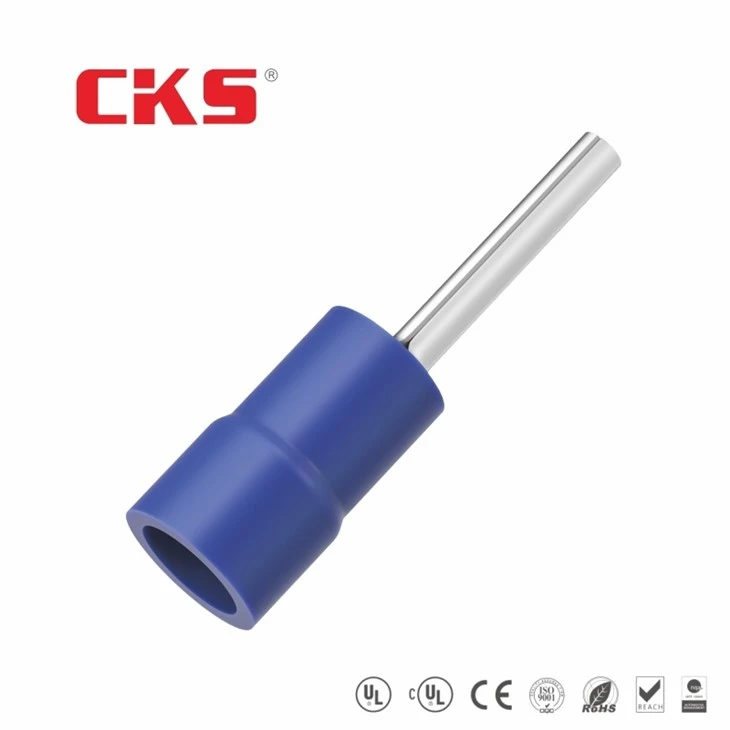
Now, let's dig into pin terminals. Pin terminals are basically electrical connectors that are used to connect wires to a device or to other wires. They come in different types, like Non Insulated Pin Terminals, Insulated PVC VINYL Pin Terminal, and Insulated NyLon Pin Tongue Terminal. Each type has its own set of features and benefits.
Advantages of Using Pin Terminals in Low - Voltage Circuits
1. Easy Installation
One of the biggest perks of pin terminals is how easy they are to install. You don't need any fancy tools or a whole lot of technical know - how. All you have to do is strip the end of the wire, insert it into the pin terminal, and then crimp it. This simplicity means that even DIYers can handle the installation, which is great for low - voltage circuits in home projects.

2. Good Conductivity
Pin terminals are usually made of materials like copper or brass, which are excellent conductors of electricity. In low - voltage circuits, where every bit of conductivity matters, this is a huge plus. Good conductivity ensures that the electrical signal can flow smoothly through the circuit without any significant loss of power.
3. Versatility
Pin terminals come in a wide range of sizes and shapes, which makes them suitable for different types of low - voltage circuits. Whether you're working on a small, delicate circuit in a smartwatch or a larger control circuit in an industrial machine, you can find a pin terminal that fits the bill.
4. Cost - Effective
Compared to some other types of electrical connectors, pin terminals are relatively inexpensive. This is a big advantage for low - voltage circuits, especially in large - scale applications where cost is a major factor. You can get a good quality pin terminal without breaking the bank.
Considerations When Using Pin Terminals in Low - Voltage Circuits
1. Current Rating
Even though pin terminals are great for low - voltage circuits, you need to make sure that they can handle the current flowing through the circuit. Each pin terminal has a specific current rating, and if you exceed this rating, it can lead to overheating and even damage to the terminal and the circuit. So, before you choose a pin terminal, calculate the current in your low - voltage circuit and select a terminal with an appropriate current rating.
2. Environmental Conditions
The environment in which the low - voltage circuit operates can also affect the performance of pin terminals. For example, if the circuit is in a humid or corrosive environment, you might want to choose an insulated pin terminal, like the Insulated PVC VINYL Pin Terminal or Insulated NyLon Pin Tongue Terminal, to protect the terminal from damage.
3. Vibration and Mechanical Stress
In some low - voltage circuits, especially those in moving machinery, vibration and mechanical stress can be an issue. Pin terminals need to be securely fastened to prevent them from coming loose. You might need to use additional securing methods, such as lock washers or adhesive, to ensure a stable connection.
Real - World Examples of Pin Terminals in Low - Voltage Circuits
Let's take a look at some real - world scenarios where pin terminals are used in low - voltage circuits.
Home Automation Systems
In home automation systems, low - voltage circuits are used to control things like smart lights, thermostats, and door locks. Pin terminals are often used to connect the wires from these devices to the control panel. Their easy installation and good conductivity make them a popular choice for these types of applications.
Automotive Electronics
Cars have a lot of low - voltage circuits for things like dashboard lights, power windows, and radio systems. Pin terminals are used to connect the various components in these circuits. The versatility of pin terminals allows them to be used in different parts of the car, from the engine compartment to the interior.
Industrial Control Systems
In industrial settings, low - voltage control circuits are used to operate machinery and equipment. Pin terminals are used to connect sensors, switches, and actuators to the control system. Their cost - effectiveness and ease of installation make them a practical choice for large - scale industrial applications.
Conclusion
So, are pin terminals suitable for low - voltage circuits? The answer is a resounding yes! They offer a whole bunch of advantages, like easy installation, good conductivity, versatility, and cost - effectiveness. However, you do need to consider factors like current rating, environmental conditions, and mechanical stress when using them.
If you're in the market for high - quality pin terminals for your low - voltage circuits, I'd love to chat with you. Whether you're a DIY enthusiast working on a home project or an engineer in charge of an industrial installation, I can help you find the right pin terminals for your needs. Reach out to me, and let's start a conversation about your requirements.
References
- Electrical Engineering Handbook: Covers basic principles of electrical circuits and connectors.
- Automotive Electronics Manual: Details the use of electrical components in vehicles.
- Industrial Control Systems Guide: Provides information on the design and operation of control circuits in industrial settings.