

Do ring terminals affect the electrical resistance of a circuit? This is a question that often arises in the electrical engineering and DIY electrical work communities. As a supplier of ring terminals, I've encountered this query numerous times, and today, I'd like to delve deep into this topic to provide a comprehensive answer.
Understanding Ring Terminals
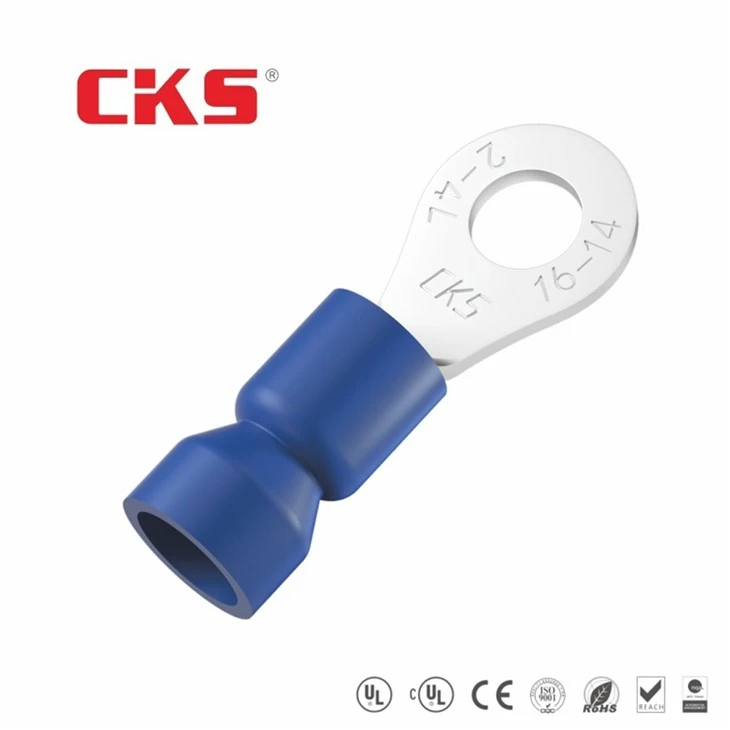
Before we discuss how ring terminals might affect electrical resistance, let's first understand what ring terminals are. Ring terminals are a type of electrical connector used to terminate a wire and connect it to a screw or stud. They are available in various materials, sizes, and insulation types, each designed for specific applications.
- Insulated PVC Ring Electrical Eyelet Terminal Connector: These terminals are insulated with PVC, which provides protection against electrical shock and environmental factors. They are commonly used in low - voltage applications. You can find a wide range of these terminals at Insulated PVC Ring Electrical Eyelet Terminal Connector.
- Insulated NyLon High Temp Ring Terminals: Made with nylon insulation, these terminals are suitable for high - temperature environments. Nylon has excellent heat resistance properties, making it ideal for applications where the temperature can rise significantly. Check out our selection of Insulated NyLon High Temp Ring Terminals.
- Non Insulated Copper Ring Round Terminals: These are made of copper, a highly conductive material. Non - insulated copper ring terminals are often used in applications where the terminal will be installed in an enclosed or protected environment. Explore our Non Insulated Copper Ring Round Terminals.
Factors Affecting Electrical Resistance in a Circuit
To understand how ring terminals impact electrical resistance, we need to first review the factors that affect resistance in a circuit. According to Ohm's law, resistance (R) is related to voltage (V) and current (I) by the formula R = V/I. The resistance of a conductor is determined by several factors:
- Material: Different materials have different resistivities. For example, copper has a relatively low resistivity, which means it is a good conductor of electricity. Aluminum, on the other hand, has a higher resistivity than copper.
- Length: The longer the conductor, the higher the resistance. This is because electrons have to travel a longer distance, encountering more collisions with atoms along the way.
- Cross - sectional area: A larger cross - sectional area results in lower resistance. A wider conductor provides more space for electrons to flow, reducing the chances of collisions.
- Temperature: In general, the resistance of a conductor increases with temperature. As the temperature rises, the atoms in the conductor vibrate more vigorously, making it more difficult for electrons to flow.
How Ring Terminals Affect Electrical Resistance
Now, let's examine how ring terminals can affect the electrical resistance of a circuit.
Material of the Ring Terminal
The material of the ring terminal plays a crucial role in determining its resistance. As mentioned earlier, copper is a popular choice for ring terminals due to its low resistivity. When a copper ring terminal is used in a circuit, it provides a low - resistance path for the flow of electricity.
If a ring terminal is made of a material with high resistivity, it will add additional resistance to the circuit. For example, if a terminal is made of a metal alloy with poor conductivity, the overall resistance of the circuit will increase, leading to a potential loss of power and increased heat generation.
Connection Quality
The quality of the connection between the ring terminal and the wire, as well as between the ring terminal and the screw or stud, is another important factor. A loose connection can increase the resistance at the connection point. When the connection is loose, the effective cross - sectional area of the current path is reduced, and there may be air gaps or contaminants between the surfaces, which can act as insulators and increase resistance.
To ensure a low - resistance connection, the wire should be properly stripped and inserted into the ring terminal. The terminal should then be crimped or soldered onto the wire to create a solid connection. When attaching the ring terminal to the screw or stud, it should be tightened securely to ensure good contact.
Insulation
Insulation on ring terminals does not directly affect the electrical resistance of the current - carrying path. However, it can indirectly impact the performance of the circuit. For example, if the insulation is damaged, it can expose the conductor to moisture, dirt, or other contaminants. These contaminants can corrode the conductor or create a path for leakage current, which can increase the overall resistance of the circuit.
Measuring the Impact of Ring Terminals on Resistance
To measure the impact of ring terminals on the electrical resistance of a circuit, a multimeter can be used. First, measure the resistance of the wire without the ring terminal. Then, attach the ring terminal to the wire and measure the resistance again. The difference between the two measurements will give an indication of the additional resistance introduced by the ring terminal.
It's important to note that in most cases, the additional resistance introduced by a properly installed copper ring terminal is relatively small. However, in high - current applications, even a small increase in resistance can result in significant power losses and heat generation.
Real - World Applications and Considerations
In real - world applications, the choice of ring terminal can have a significant impact on the performance of the electrical system.

In automotive applications, for example, ring terminals are used to connect battery cables to the battery terminals. A high - resistance connection can lead to voltage drops, which can affect the performance of the electrical components in the vehicle. This can result in issues such as dim headlights, slow cranking, and poor battery charging.
In industrial applications, where large amounts of current are often involved, the proper selection and installation of ring terminals are crucial. High - resistance connections can cause overheating, which can lead to equipment failure and safety hazards.
Conclusion
In conclusion, ring terminals can affect the electrical resistance of a circuit. The material of the terminal, the quality of the connection, and the presence of insulation all play important roles in determining the impact on resistance.
As a supplier of ring terminals, we understand the importance of providing high - quality products that minimize the additional resistance introduced to the circuit. Our range of Insulated PVC Ring Electrical Eyelet Terminal Connector, Insulated NyLon High Temp Ring Terminals, and Non Insulated Copper Ring Round Terminals are designed to meet the diverse needs of our customers, ensuring reliable and efficient electrical connections.
If you are in the market for ring terminals or have any questions about how they can impact your electrical circuit, we encourage you to reach out to us for a consultation. Our team of experts is ready to assist you in selecting the right products for your specific application.
References
- Serway, R. A., & Jewett, J. W. (2018). Physics for Scientists and Engineers with Modern Physics. Cengage Learning.
- Nilsson, J. W., & Riedel, S. A. (2015). Electric Circuits. Pearson.