

Spade terminals are widely used in electrical connections due to their simplicity and effectiveness. However, one common issue that many users face is the terminals coming loose over time. As a spade terminal supplier, I understand the importance of ensuring a secure and reliable connection. In this blog post, I'll share some effective strategies to prevent spade terminals from coming loose.
Understanding the Problem
Before we delve into the solutions, it's crucial to understand why spade terminals come loose in the first place. Several factors can contribute to this problem:
- Vibration: In many applications, electrical systems are subject to vibrations. These vibrations can gradually cause the spade terminals to loosen from their mating connectors. For example, in automotive engines or industrial machinery, constant vibrations can put stress on the connections.
- Thermal Expansion and Contraction: Temperature changes can cause the materials in the spade terminals and the mating connectors to expand and contract. Over time, this repeated expansion and contraction can lead to a loss of contact pressure, resulting in loose connections.
- Incorrect Installation: If the spade terminals are not installed properly, they are more likely to come loose. This includes improper crimping, which may not provide a strong enough connection between the wire and the terminal.
Preventive Measures
1. Proper Installation
- Crimping: The most critical step in ensuring a secure connection is proper crimping. Use a high - quality crimping tool that is designed for the specific size and type of spade terminal you are using. A good crimp should provide a tight mechanical and electrical connection between the wire and the terminal. Make sure to strip the wire to the correct length before crimping, as an improper strip length can lead to a weak connection.
- Insertion into Connectors: When inserting the spade terminal into the mating connector, ensure that it is fully seated. A partially inserted terminal is more likely to come loose. Check for any signs of misalignment or damage in the connector before insertion.
2. Use of Locking Mechanisms
- Terminal Inserts: Some spade terminals come with built - in locking features. For example, there are terminals with serrated edges or tabs that can grip the mating connector more securely. These locking mechanisms help to prevent the terminal from vibrating loose.
- Lock Washers: In applications where vibration is a significant concern, using lock washers can be an effective solution. Place a lock washer between the spade terminal and the connector to increase the friction and prevent the terminal from turning or coming loose.
3. Selecting the Right Terminal Material and Type
- Material: The choice of material for the spade terminal can affect its performance and resistance to loosening. Copper is a popular choice due to its excellent electrical conductivity. However, for applications where corrosion resistance is important, you may consider using terminals with a protective coating.
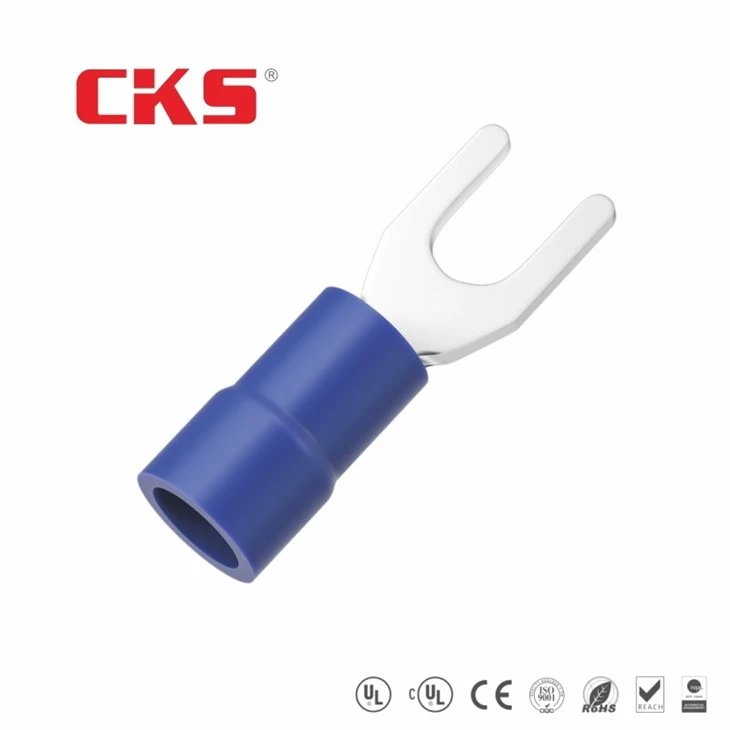
- Type: Different types of spade terminals are available to suit various applications. For example, Insulated PVC VINYL Spade Fork Tongue Terminal provides insulation, which can also help to prevent short - circuits and protect the connection from environmental factors. Insulated NyLon Spade Fork Tongue Terminal offers good mechanical strength and insulation properties. If insulation is not required, Non Insulated Copper Spade Fork Terminals can be a cost - effective option.
4. Environmental Protection
- Sealing: In harsh environments, such as those with high humidity, dust, or chemicals, sealing the spade terminal connections can help prevent corrosion and damage. Use sealants or heat - shrink tubing to protect the connection from environmental factors. Heat - shrink tubing not only provides protection but also adds mechanical support to the connection.
- Mounting Location: Choose a suitable mounting location for the electrical connections. Avoid areas where the terminals are likely to be exposed to excessive moisture, heat, or physical damage.
5. Regular Inspection and Maintenance
- Visual Inspection: Periodically inspect the spade terminal connections for any signs of loosening, corrosion, or damage. Look for any visible gaps between the terminal and the connector, or signs of discoloration, which may indicate overheating due to a loose connection.
- Testing: Use a multimeter or other electrical testing equipment to check the continuity and resistance of the connections. A sudden increase in resistance may indicate a loose or damaged connection.
Benefits of Preventing Loose Spade Terminals
- Reliability: A secure spade terminal connection ensures the reliable operation of electrical systems. Loose connections can cause intermittent power loss, which can lead to equipment malfunctions or failures.
- Safety: Loose connections can generate heat, which is a fire hazard. By preventing loose terminals, you reduce the risk of electrical fires and other safety issues.
- Longevity: Properly installed and maintained spade terminals have a longer lifespan, reducing the need for frequent replacements and saving on maintenance costs.
Conclusion
Preventing spade terminals from coming loose is essential for the reliable and safe operation of electrical systems. By following the preventive measures outlined above, including proper installation, use of locking mechanisms, selection of the right terminal type, environmental protection, and regular inspection, you can significantly reduce the risk of loose connections.

As a spade terminal supplier, we are committed to providing high - quality products and technical support to our customers. If you have any questions about spade terminal selection, installation, or prevention of loose connections, please feel free to contact us for more information and to discuss your specific requirements. We are here to help you find the best solutions for your electrical connection needs.
References
- Electrical Installation Handbook, Schneider Electric
- Terminal and Connector Handbook, TE Connectivity