

As a supplier of male and female quick disconnects, ensuring the functionality of these products is of utmost importance. Quick disconnects are widely used in various industries, including automotive, electrical, and telecommunications, to provide a convenient and reliable way to connect and disconnect electrical circuits. In this blog post, I will share some methods and considerations for testing the functionality of male and female quick disconnects.
Understanding the Basics of Male and Female Quick Disconnects
Before diving into the testing process, it's essential to understand the basic structure and function of male and female quick disconnects. Male quick disconnects typically have a protruding terminal, while female quick disconnects have a receptacle designed to accept the male terminal. When connected, they create an electrical connection that allows current to flow between two components.
The quality of the connection depends on several factors, including the material of the terminals, the design of the disconnects, and the force applied during connection. A good connection should have low resistance, high durability, and be able to withstand vibrations and environmental factors.
Visual Inspection
The first step in testing male and female quick disconnects is a visual inspection. This involves checking for any obvious signs of damage, such as cracks, bent terminals, or corrosion. Inspect the insulation of the disconnects to ensure it is intact and free from cuts or abrasions.

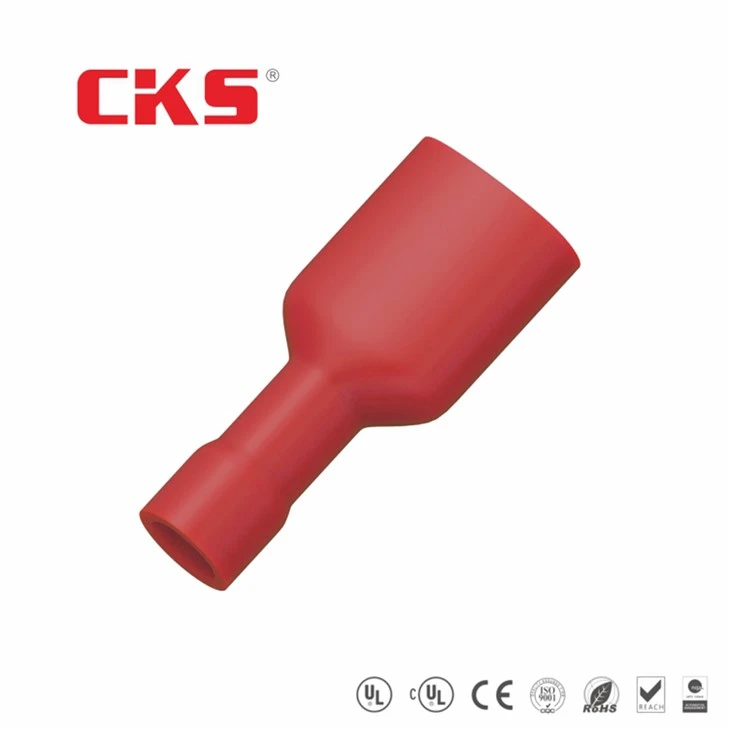
For example, if the insulation is damaged, it could expose the terminals and lead to short circuits or electrical hazards. Additionally, look for any signs of overheating, such as discoloration or melting of the plastic parts. These issues can indicate poor electrical contact or excessive current flow.
Continuity Testing
Continuity testing is a fundamental test to check if the electrical circuit is complete when the male and female quick disconnects are connected. To perform this test, you will need a multimeter set to the continuity or resistance mode.
- Disconnect the Power: Before testing, make sure the power to the circuit is turned off to avoid electrical shock.
- Connect the Multimeter: Place the probes of the multimeter on the terminals of the male and female quick disconnects. If the connection is good, the multimeter should show a low resistance reading, typically close to zero ohms. A high resistance reading or an open circuit indication (infinity) suggests a problem with the connection.
- Check for Consistency: Test multiple times to ensure the results are consistent. Sometimes, a poor connection may be intermittent, so it's important to wiggle the disconnects slightly during testing to simulate vibrations and movement.
Pull Force Testing
Pull force testing is used to evaluate the mechanical strength of the connection between the male and female quick disconnects. This test measures the amount of force required to separate the two components.
- Use a Force Gauge: A force gauge is a tool used to measure the pulling force. Attach the force gauge to the male or female disconnect and slowly pull in a straight line until the connection separates. Record the maximum force reading on the gauge.
- Compare with Specifications: The pull force requirements vary depending on the application and the type of quick disconnects. Refer to the manufacturer's specifications to determine if the measured pull force is within the acceptable range. If the pull force is too low, the connection may come loose easily, while a pull force that is too high could make it difficult to disconnect the components when needed.
Contact Resistance Testing
Contact resistance testing is a more advanced test that measures the resistance at the contact point between the male and female terminals. High contact resistance can lead to power losses, overheating, and reduced performance of the electrical system.
- Use a Micro - Ohmmeter: A micro - ohmmeter is capable of measuring very low resistances accurately. Connect the micro - ohmmeter to the terminals of the connected quick disconnects and record the resistance reading.
- Compare with Standards: The acceptable contact resistance values depend on the application and the type of quick disconnects. Generally, lower resistance values are better. If the contact resistance is higher than the specified limit, it may be necessary to clean the terminals or replace the disconnects.
Environmental Testing
In real - world applications, male and female quick disconnects are often exposed to various environmental conditions, such as temperature, humidity, and vibration. Environmental testing helps to ensure that the disconnects can perform reliably under these conditions.
- Temperature Testing: Place the connected quick disconnects in a temperature chamber and subject them to a range of temperatures. Measure the electrical performance, such as continuity and contact resistance, at different temperature points. Extreme temperatures can cause the materials of the disconnects to expand or contract, which may affect the electrical connection.
- Humidity Testing: Expose the disconnects to high humidity levels in a humidity chamber. Check for signs of corrosion or moisture ingress, which can increase the contact resistance and reduce the lifespan of the disconnects.
- Vibration Testing: Use a vibration table to simulate vibrations that the disconnects may experience in their intended application. Continuously monitor the electrical performance during the vibration test to ensure the connection remains stable.
Testing Different Types of Quick Disconnects
As a supplier, we offer a variety of male and female quick disconnects, such as Nylon Female Quick Disconnect, Quick Disconnects PVC Vinyl Insulated, and Piggyback Spade Connector. Each type may have specific testing requirements based on its design and material.
- Nylon Female Quick Disconnects: These are known for their lightweight and good insulation properties. When testing, pay special attention to the integrity of the nylon material, as it may be more prone to cracking under stress compared to other materials.
- PVC Vinyl Insulated Quick Disconnects: The PVC insulation provides good protection against moisture and chemicals. However, it can become brittle over time, especially in high - temperature environments. Test the flexibility and insulation resistance of the PVC insulation during the testing process.
- Piggyback Spade Connectors: These connectors allow multiple connections to be made in a single location. Ensure that all the connections are secure and that there is no interference between the different terminals.
Conclusion
Testing the functionality of male and female quick disconnects is a crucial step in ensuring the quality and reliability of these products. By performing visual inspections, continuity testing, pull force testing, contact resistance testing, and environmental testing, you can identify and address any potential issues before the disconnects are used in actual applications.
As a supplier of male and female quick disconnects, we are committed to providing high - quality products that meet the strictest standards. If you are interested in purchasing our quick disconnects or have any questions about our testing procedures, please feel free to contact us for further discussion and potential procurement. We look forward to working with you to meet your electrical connection needs.
References
- Electrical Testing Handbook, Third Edition, by D. J. Cooper
- Standards for Electrical Connectors, published by the Institute of Electrical and Electronics Engineers (IEEE)