

In the realm of electrical connections, butt splice connectors play a pivotal role. As a seasoned supplier of butt splice connectors, I've witnessed firsthand the importance of high conductivity in these components. Conductivity directly impacts the efficiency, safety, and reliability of electrical systems. In this blog, I'll share some practical strategies on how to improve the conductivity of butt splice connectors.
Understanding the Basics of Conductivity in Butt Splice Connectors
Before delving into improvement methods, it's crucial to understand what conductivity means in the context of butt splice connectors. Conductivity refers to the ability of a material to allow the flow of electric current. In butt splice connectors, this is determined by several factors, including the material of the connector, the quality of the connection between the wires and the connector, and the surface condition of the connector.
The material of the connector is one of the most significant factors affecting conductivity. Copper is a popular choice for butt splice connectors due to its excellent electrical conductivity. Copper Wire Connector are widely used in various applications because of their ability to efficiently transmit electrical current. Other materials, such as aluminum, can also be used, but they generally have lower conductivity compared to copper.
Choosing the Right Material
As mentioned earlier, the choice of material is crucial for improving conductivity. Copper is the preferred material for high - conductivity butt splice connectors. It has a low electrical resistance, which means that less energy is lost as heat when current flows through it. This not only improves the efficiency of the electrical system but also reduces the risk of overheating and potential fire hazards.
When selecting copper butt splice connectors, it's important to consider the purity of the copper. Higher - purity copper typically has better conductivity. Look for connectors made from oxygen - free copper (OFC), which has a very high level of purity and excellent electrical properties.
In some cases, where weight is a concern, aluminum connectors may be considered. However, to improve their conductivity, special coatings or alloys can be used. These coatings can reduce the surface resistance of the aluminum and enhance its ability to conduct electricity.
Ensuring a Proper Connection
A proper connection between the wires and the butt splice connector is essential for good conductivity. There are several steps to ensure a secure and low - resistance connection.
First, the wires must be properly stripped. The insulation should be removed to expose an appropriate length of the conductor. If the exposed length is too short, the contact area between the wire and the connector will be insufficient, leading to increased resistance. On the other hand, if the exposed length is too long, it may cause short - circuits or other electrical problems.
Next, the wires should be inserted into the connector correctly. The connector should be sized appropriately for the wire gauge. Using a connector that is too small for the wire can cause the wire to be crushed, which may damage the conductor and increase resistance. Conversely, a connector that is too large may not provide a tight enough fit, resulting in a loose connection.
After inserting the wires, the connector should be crimped properly. Crimping is the process of deforming the connector around the wires to create a mechanical and electrical connection. A good crimp will ensure a large contact area between the wire and the connector, reducing resistance. Special crimping tools should be used to ensure a consistent and reliable crimp. The crimping force should be sufficient to deform the connector but not so strong as to damage the wires.
Surface Treatment
The surface condition of the butt splice connector can also affect its conductivity. Over time, the surface of the connector may oxidize or accumulate dirt and debris, which can increase the surface resistance. To combat this, surface treatment can be applied.
One common surface treatment is tinning. Tinning involves coating the surface of the connector with a thin layer of tin. Tin is a good conductor of electricity and is resistant to oxidation. By tinning the connector, the surface resistance can be reduced, and the connector can maintain its conductivity over a longer period.
Another surface treatment option is the use of anti - oxidation coatings. These coatings can prevent the formation of oxides on the surface of the connector, which can otherwise impede the flow of current. Some anti - oxidation coatings also have lubricating properties, which can make it easier to insert the wires into the connector and improve the overall connection quality.
Quality Control and Testing
As a supplier, quality control is of utmost importance. Every batch of butt splice connectors should undergo rigorous testing to ensure that they meet the required conductivity standards.
Conductivity testing can be performed using specialized equipment. The resistance of the connector can be measured, and if it exceeds the acceptable range, the connector should be rejected. Other tests, such as visual inspection, can also be carried out to check for any physical defects that may affect conductivity, such as cracks or improper crimps.
In addition to in - house testing, it's also beneficial to follow industry standards and certifications. For example, connectors that meet standards such as UL (Underwriters Laboratories) or IEC (International Electrotechnical Commission) are more likely to have reliable conductivity.
Using the Right Connector Design
The design of the butt splice connector can also impact its conductivity. Different designs are available to suit various applications and wire gauges.
StepDown Non - Insulated Window Butt Connector are designed to connect wires of different gauges. They have a stepped design that allows for a smooth transition between the two wires, reducing the resistance at the connection point. This design is particularly useful in applications where different wire sizes need to be joined.

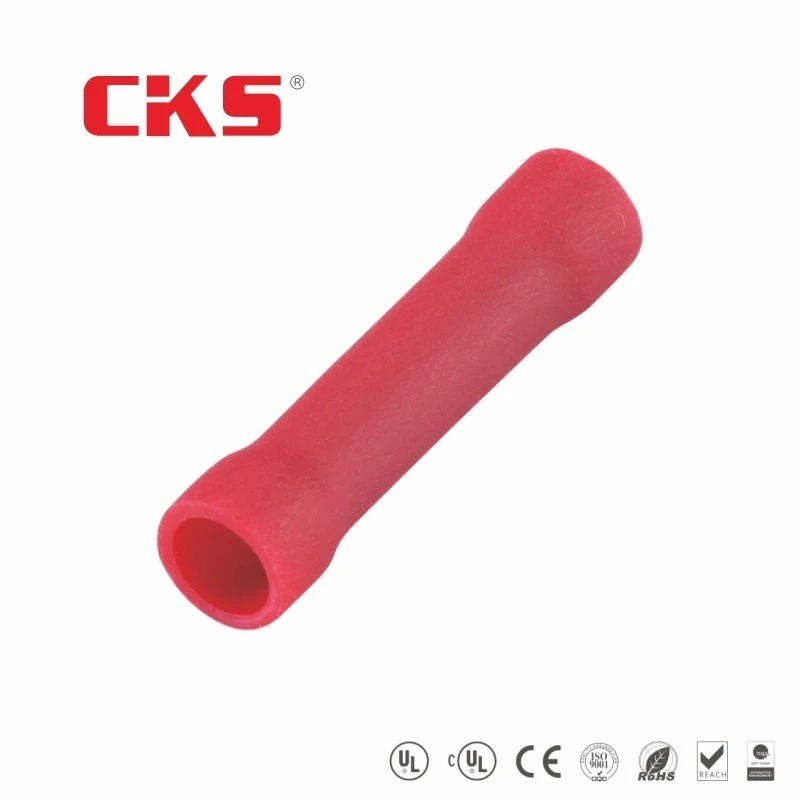
Non Insulated Butt Splice Connectors are another option. They are often used in applications where insulation is not required or can be added separately. These connectors typically have a simple design that allows for a direct connection between the wires, which can improve conductivity.
Maintenance and Inspection
Once the butt splice connectors are installed in an electrical system, regular maintenance and inspection are necessary to ensure continued good conductivity.
Inspect the connectors periodically for signs of wear, corrosion, or damage. If any issues are detected, the connectors should be replaced immediately. Additionally, keep the connectors clean and free from dirt and debris. This can be done using a soft brush or compressed air.
In environments where the connectors are exposed to moisture or harsh chemicals, additional protective measures may be required. For example, using waterproof enclosures or applying protective coatings can help prevent corrosion and maintain conductivity.
Conclusion
Improving the conductivity of butt splice connectors is a multi - faceted process that involves choosing the right material, ensuring a proper connection, applying surface treatment, conducting quality control, using the right design, and performing regular maintenance. By following these strategies, you can enhance the performance and reliability of your electrical systems.
As a supplier of high - quality butt splice connectors, we are committed to providing products that meet the highest standards of conductivity. If you are interested in our products or have any questions about improving the conductivity of butt splice connectors, please feel free to contact us for further discussion and procurement negotiations.
References
- Grob, Bernard. “Basic Electronics.” McGraw - Hill Education, 2007.
- Fitzgerald, A. E., Kingsley, C., & Umans, S. D. “Electric Machinery.” McGraw - Hill Education, 2003.
- National Electrical Code (NEC), various editions.