

Hey there! As a supplier of pin terminals, I often get asked about the size range of these little but crucial components. So, let's dive right in and explore what sizes you can expect when it comes to pin terminals.
First off, it's important to understand that pin terminals come in a wide variety of sizes to meet different electrical and mechanical requirements. The size of a pin terminal is typically determined by a few key factors, including the wire gauge it's designed to accommodate, the current - carrying capacity, and the physical space where it will be installed.
Wire Gauge Compatibility
One of the main ways to categorize the size of pin terminals is by the wire gauge they can handle. Wire gauge is a measure of the diameter of the wire, and it's usually denoted by a number. In the United States, the American Wire Gauge (AWG) system is commonly used. Smaller AWG numbers represent thicker wires, while larger numbers represent thinner wires.
For very thin wires, say around 28 - 30 AWG, you'll find pin terminals that are relatively small in size. These are often used in applications where space is limited, like in some consumer electronics or small - scale circuit boards. These tiny pin terminals need to be precisely manufactured to ensure a proper connection with the thin wires.
On the other hand, for thicker wires, such as 6 - 8 AWG, the pin terminals are much larger. These are typically used in high - power applications, like in automotive electrical systems or industrial machinery. The larger size is necessary to handle the higher current that thicker wires can carry.
Physical Dimensions
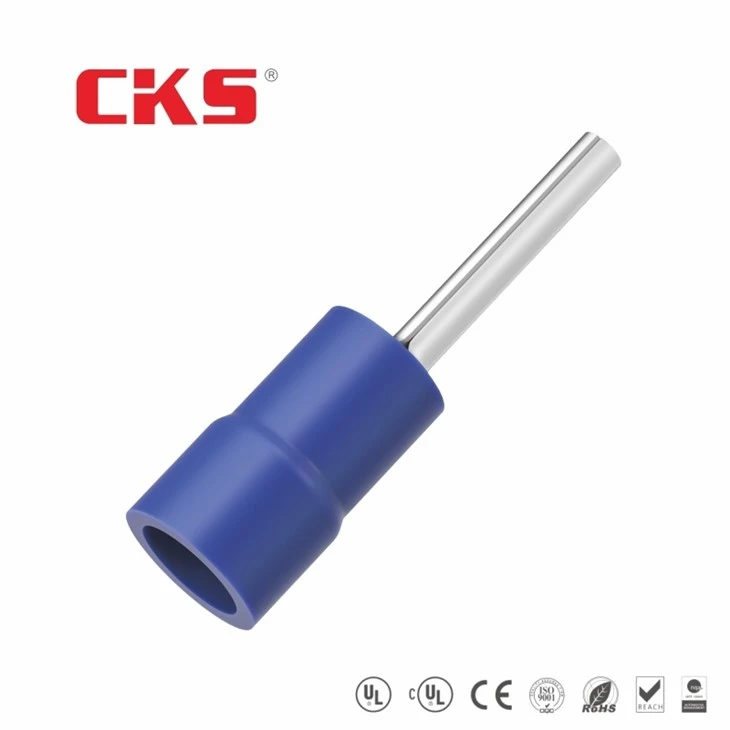
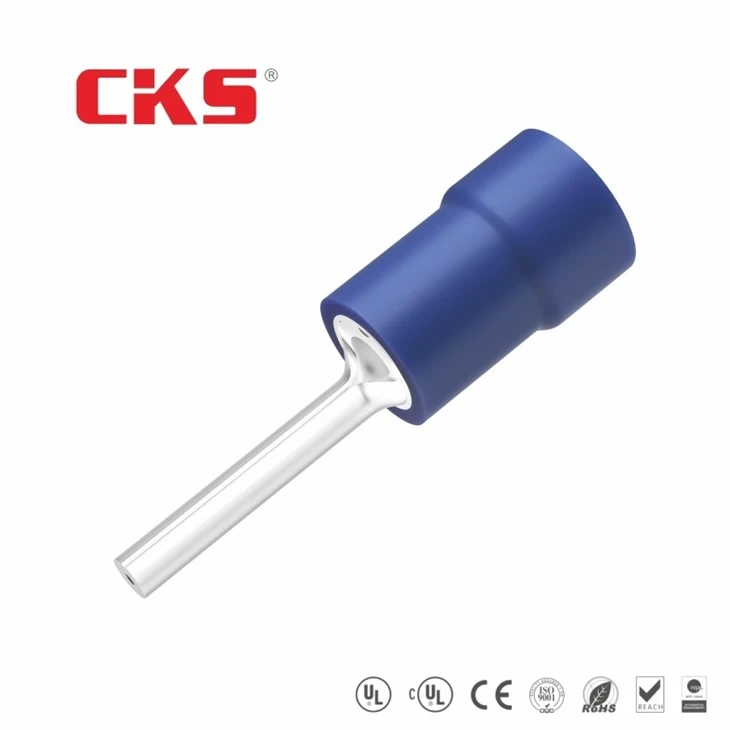
Beyond wire gauge compatibility, the physical dimensions of pin terminals also vary. The length of the pin itself can range from a few millimeters to several centimeters. Shorter pins are often used in applications where the connection needs to be made in a tight space, while longer pins may be required for applications where there's more room and a more secure connection is needed.
The diameter of the pin is another important dimension. A smaller - diameter pin might be used for low - current applications or in situations where a more delicate connection is required. Larger - diameter pins, on the other hand, are better suited for high - current applications as they can handle more electrical flow without overheating.
Types of Pin Terminals and Their Size Ranges
Let's take a look at some common types of pin terminals and their typical size ranges.
Insulated NyLon Pin Tongue Terminal
Insulated NyLon Pin Tongue Terminals are popular because of their durability and the protection they offer against electrical shorts. These terminals come in a range of sizes to fit different wire gauges. You can find them for wire gauges from as small as 22 AWG up to 10 AWG. The insulation adds an extra layer of protection and also helps in providing a better grip on the wire. If you're interested in learning more about these terminals, check out Insulated NyLon Pin Tongue Terminal.
Non Insulated Pin Terminals
Non Insulated Pin Terminals are often used in applications where cost is a major factor or where the environment is not prone to electrical interference. These terminals can also cover a wide range of wire gauges, usually from 20 AWG to 12 AWG. They are generally smaller in size compared to their insulated counterparts because they lack the additional insulation layer. You can find more details about Non Insulated Pin Terminals on Non Insulated Pin Terminals.
Insulated PVC VINYL Pin Terminal
Insulated PVC VINYL Pin Terminals are known for their flexibility and good insulation properties. They are available for wire gauges from 26 AWG to 14 AWG. The PVC vinyl insulation makes them suitable for a variety of environments, including those with some exposure to moisture or chemicals. If you want to know more about these terminals, visit Insulated PVC VINYL Pin Terminal.
Factors Affecting Size Selection
When choosing the right size of pin terminal for your application, there are a few factors you need to consider.
Current Requirements
The amount of current that will flow through the terminal is a crucial factor. Higher current requires a larger - sized terminal to prevent overheating and ensure a stable connection. If you use a terminal that's too small for the current, it can lead to increased resistance, which in turn can cause the terminal to heat up and potentially fail.
Space Constraints
The physical space where the terminal will be installed also plays a big role. In some compact devices, you may have to use smaller - sized terminals even if they can handle a lower current. In larger industrial equipment, you have more flexibility in choosing larger terminals that can handle higher currents.
Environmental Conditions
The environment in which the terminal will operate is another important consideration. In harsh environments, such as those with high humidity or exposure to chemicals, you may need to choose a terminal with appropriate insulation and a size that can withstand the conditions.
Why Choose Our Pin Terminals?
As a supplier, we understand the importance of providing high - quality pin terminals in the right sizes for your specific needs. We offer a wide range of pin terminals, covering all the common wire gauges and physical dimensions. Our terminals are manufactured using high - quality materials to ensure reliability and long - term performance.
Whether you're working on a small electronics project or a large - scale industrial application, we have the right pin terminal for you. Our team of experts is always ready to help you select the best size and type of terminal for your project.
If you're interested in purchasing pin terminals, we'd love to have a chat with you. We can discuss your requirements in detail and provide you with the best solutions. Don't hesitate to reach out and start a conversation about your pin terminal needs.
References
- Electrical Wiring Handbook, various editions
- Industry standards for electrical terminals and connectors